
Monster Hunter Wilds: Art That Pushes the RE Engine


Capcom's latest release showcases stunning creature design, dynamic ecosystems, and material work that sets a new standard for action RPGs.
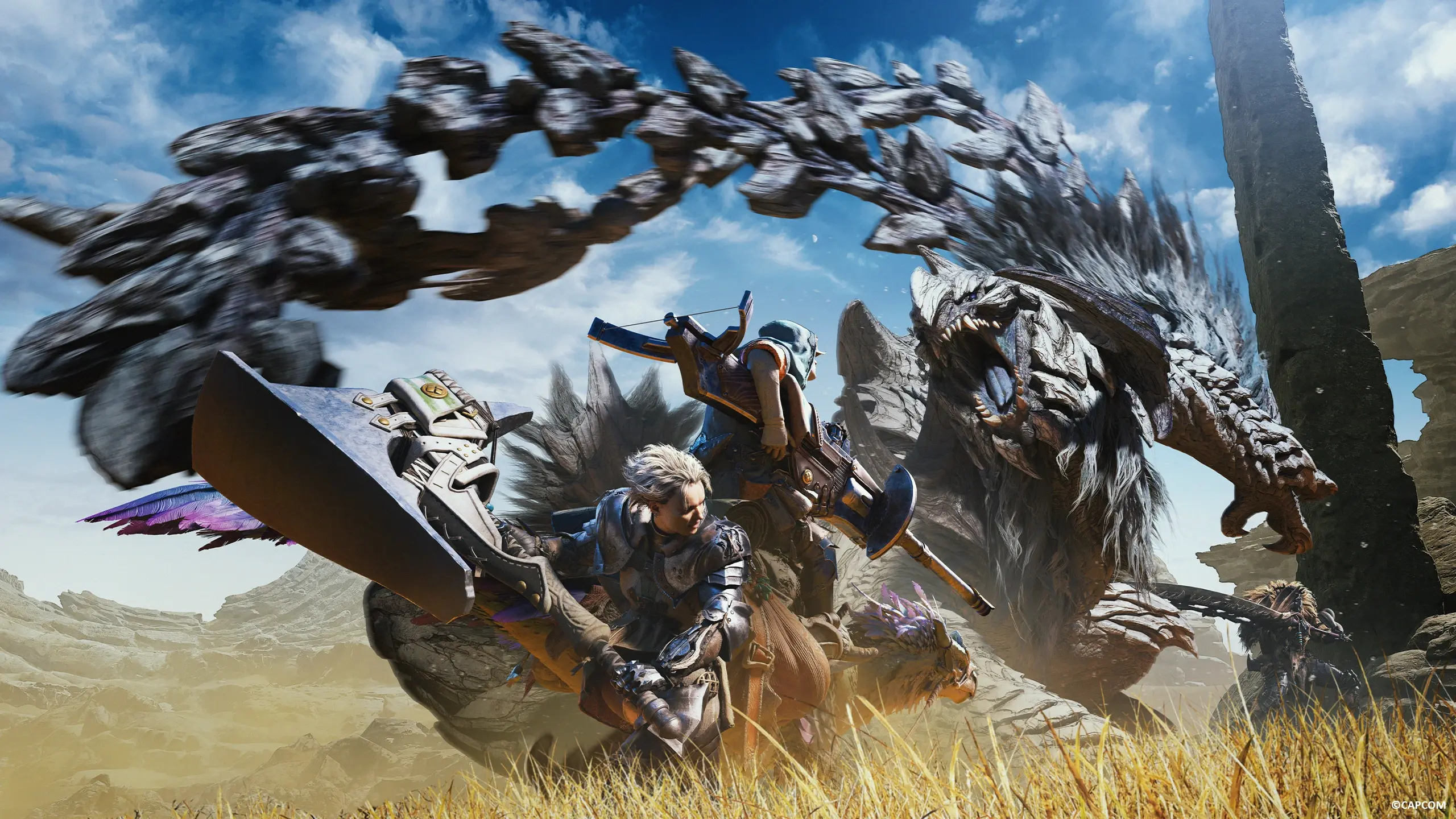
# A Visual Masterclass
Monster Hunter Wilds launched to critical acclaim, and much of that praise goes to its art direction. Running on the RE Engine, Capcom has achieved a visual fidelity that competes with first-party console exclusives.
# Creature Design Philosophy
Each monster in Wilds tells a story through its design:
- Silhouette first: Every creature reads clearly at distance, critical for gameplay
- Material storytelling: Scales, fur, chitin, and membrane each behave differently under light
- Damage states: Creatures show battle wear: broken horns, scarred hide, torn wings. This requires layered texture work with mask-driven damage reveals
# Environment Ecosystems
The "living ecosystem" approach means environments are not static dioramas:
- Creatures interact with each other and the terrain
- Weather changes affect material properties (wet rock, mud, frost buildup)
- Dynamic time of day with full relighting
- Vegetation reacts to large creature movement

# Material Work
The material quality in Wilds is exceptional:
- Subsurface scattering on creature membranes and mushroom caps
- Anisotropic highlights on insect chitin and polished scales
- Layered fur and feather systems
- Dynamic mud and water accumulation on player armor
# Takeaways for Artists
Monster Hunter Wilds proves that strong art fundamentals combined with technical material knowledge creates unforgettable game worlds. Focus on:
- Creature and character design with readable silhouettes
- Material layering and state-driven texture work
- Understanding how gameplay needs shape art decisions
Industry AAA Creature Art Materials
Related courses


